Fact-checking is outdated. But we’re not playing along.
Length
4 min. readtime
Date
9 January 2026
Research and facts seem to matter less these days. Think of budget cuts in education, the disappearance of fact-checkers on social media platforms and the blind acceptance of whatever a chatbot serves up. But for us as a creative agency, research is essential. It forms the foundation for effective campaigns and brand strategies that truly resonate with the target audience. In this article, we explain why target group research is indispensable. And share three ways to use it successfully for more effective and inclusive communication.
No hot air
Without deep insight into social developments and people’s motivations, we miss the essence of what drives them. In Armoede uitgelegd aan mensen met geld (Poverty Explained to People with Money), Tim ’S Jongers describes how – both in communications and policy – we too often rely on assumptions and stereotypes. To be effective, we should make efforts to truly engage with our audience.
That’s why we champion the value of target group research. In this article, we show why qualitative target group research is indispensable in this regard.
Why conduct qualitative target group research?
There are two key reasons to do research before tackling a communication challenge:
Understand what drives your audience
Whether you want to motivate colleagues to empty the dishwasher or attract a new customer segment, everything starts with understanding your audience. What matters to them? What worries them? How do they behave? What obstacles do they face? These insights allow you to better meet their needs and reach them more effectively.
Create connection
Research isn’t a one-way street. By actively involving your audience, you not only gain valuable insights but also build a bond. Asking for feedback or involving them as ambassadors in your story creates a natural connection with your brand or campaign.
Three examples of qualitative target group research
How to approach the research depends, of course, on your challenge. For example: is the communication challenge clearly defined or is it rather broad? We illustrate this with three real-world examples:
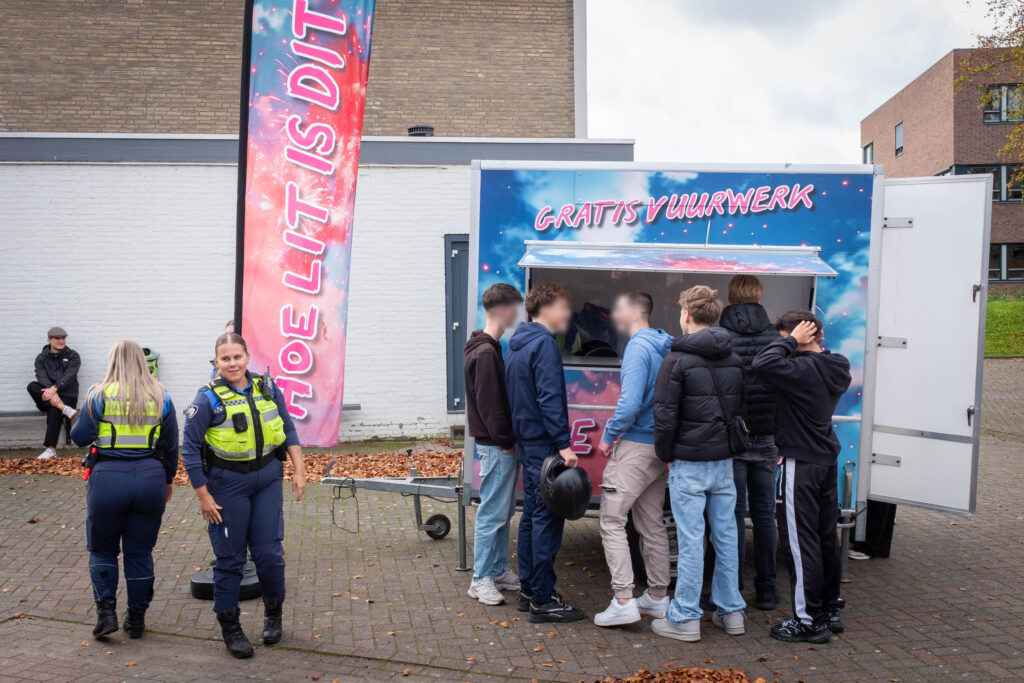
1. Hoe lit is dit? (Dutch slang meaning “How cool is this?”)
Challenge: How do we reach young people and make them more aware of the impact of fireworks nuisance?
Approach: Talks with stakeholders and teenagers about motivations, followed by testing the campaign concept with the young people themselves.
Result: With two municipalities we explored how to motivate young people to cause less fireworks nuisance. We spoke with youth officers, teachers, Halt (youth intervention service) and secondary school students about fireworks. Research revealed that children aged 10–13 are particularly sensitive to the impact of fireworks on animals and the elderly.
That’s why the campaign holds up a mirror to them with questions like: How cool is it (how lit is this?)… if your dog is terrified of your fireworks? Or if your gran no longer dares to go outside because of it? These messages raise awareness by making the situations relatable and personal. Many young people have pets themselves or understand that older people, like their grandparents, can be frightened. We also tested the tone of voice and design of the campaign with the youngsters.
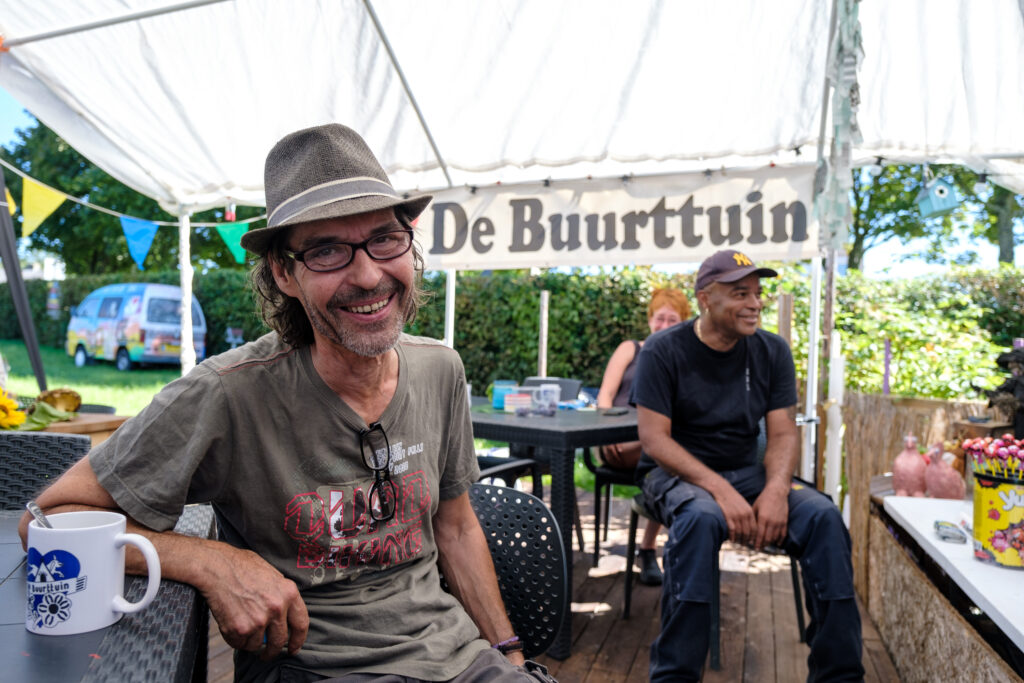
2. Neighbourbook Versiliënbosch
Challenge: How can we involve residents in renewing the neighbourhood while preserving its history and atmosphere?
Approach: Archival research, talks with stakeholders and in-depth interviews with residents.
Result: Versiliënbosch has traditionally been a neighbourhood with strong community ties. Now it’s time to renew and make it more sustainable. To preserve its identity, we conducted extensive archival research highlighting its historical value. We also collected residents’ stories, which influenced the atmosphere and architectural style of the renewed neighbourhood. Most importantly, it resulted in a ‘neighbourhood book’ capturing residents’ pride and memories. The book was festively presented and became a great starting point for large-scale renovations.
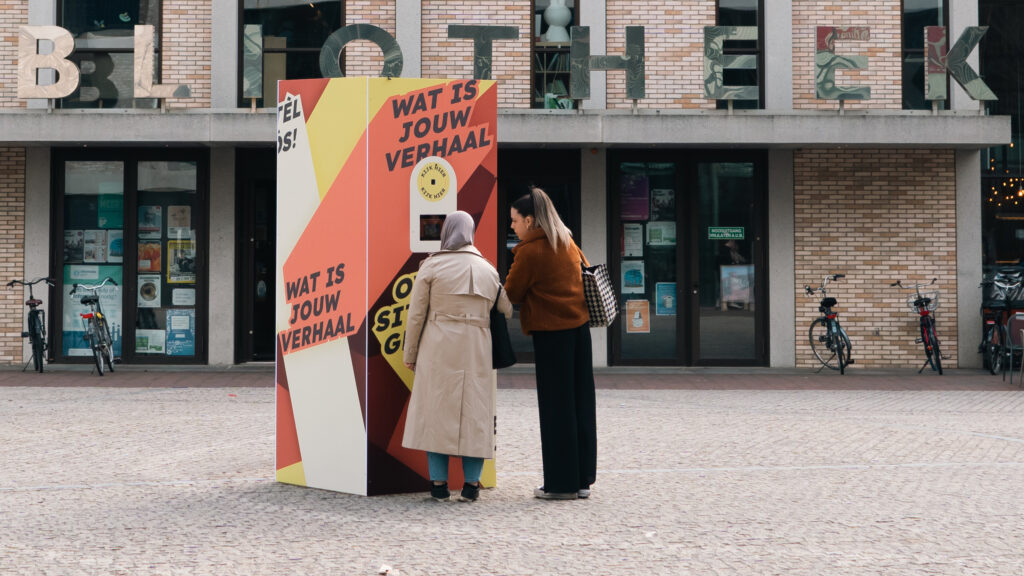
3. Citymarketing Sittard-Geleen
Challenge: How do residents experience a municipality that lacks a clear identity?
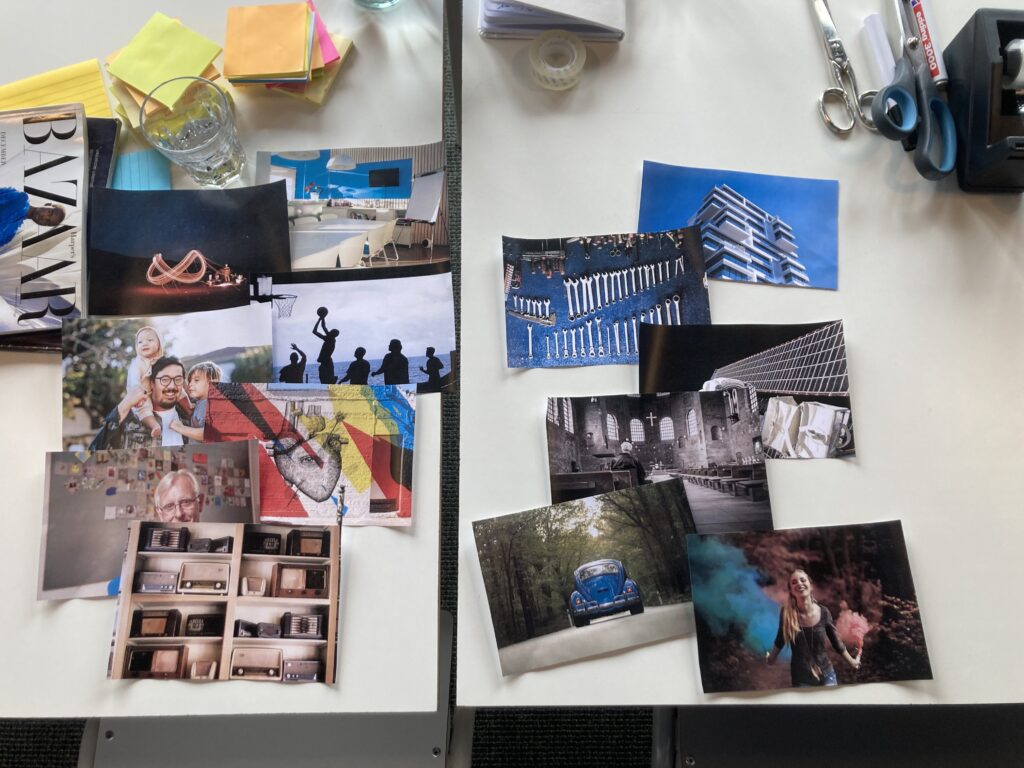
Approach: Artistically driven research where residents spontaneously respond to images of various locations in Sittard-Geleen.
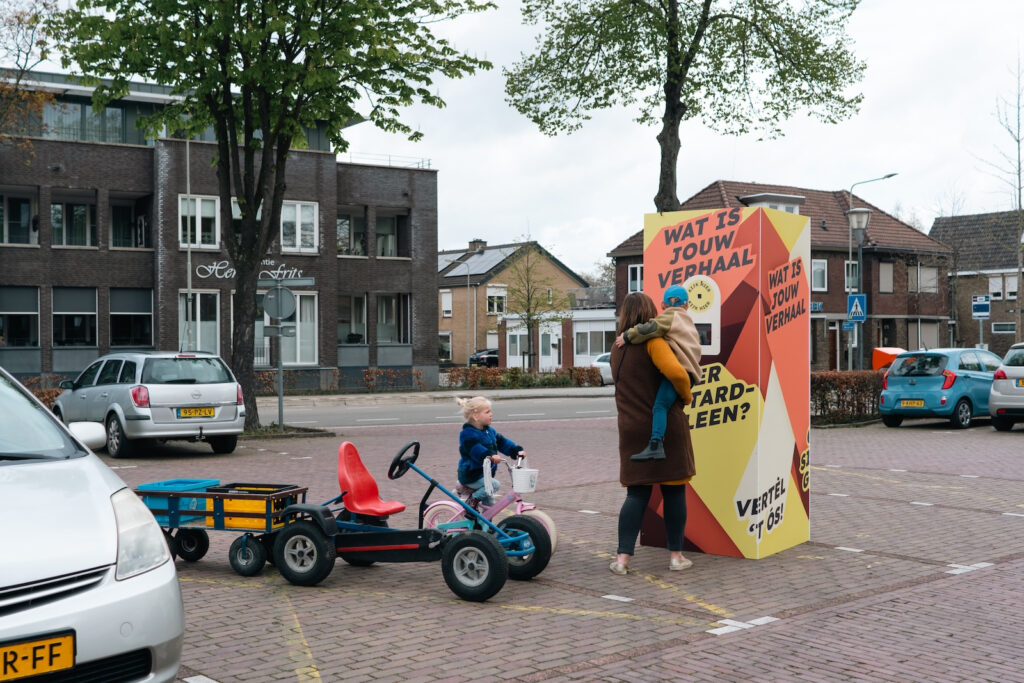
Result: With the question What’s your story? Tell us! we hit the streets to talk to residents. We used an interactive installation that allowed residents to reflect on different places in their city through images. This yielded surprising insights into how residents perceive their city and their sense of connection to the municipality. This helped us capture ideas and emotions that were previously hard to express in words. We used these insights to make recommendations for Sittard-Geleen’s city marketing.
It doesn’t have to be complicated or expensive
Research is often skipped due to lack of time or budget. Or because people think they already know their audience. But even simple methods can effectively involve your target group. Think persona development, short online surveys or a group that serves as a sounding board. However, qualitative analyses and in-depth, associative conversations deliver the most valuable insights, making our communication more inclusive. Campaigns and messages where the audience truly feels recognised and represented. Plus, it fosters better collaboration.
Qualitative target group research not only makes our work better and more inclusive, it makes it more enjoyable. It enables us to create campaigns that really hit the mark and helps us quickly understand new audiences. So, let’s leave the hot air behind. In upcoming articles, we’ll highlight other research methods we use.